Europa Wire
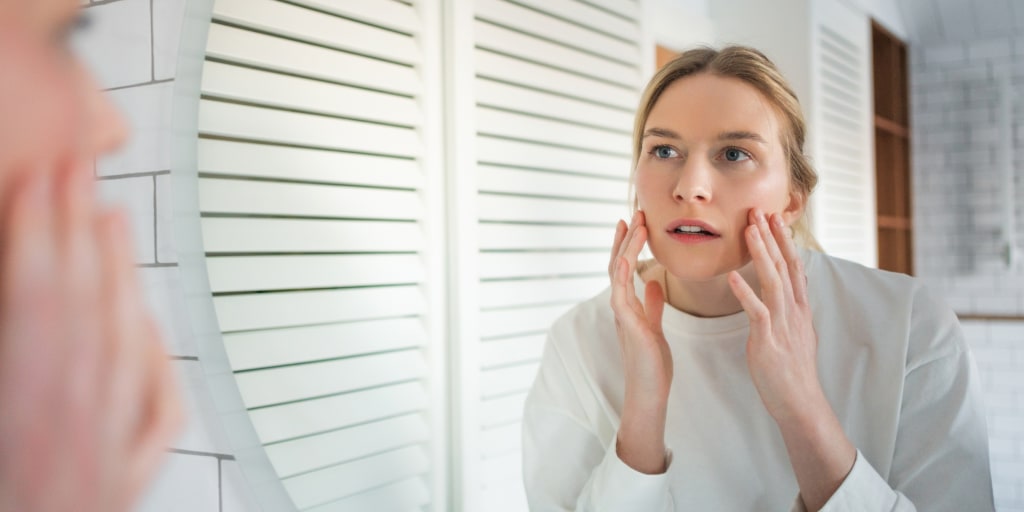
With all the content available online these days, it can be hard to figure out what’s real and what’s hype. While we don’t always have the answers, we have a direct line to people who do — which is why we present to you our series The Internet Made Me Ask, where we have experts break down the truth about some of the buzziest trends (and questions) on our timelines, like how often you should be cleaning your makeup brushes . Zombie skin may sound like another TikTok beauty gimmick (or your next Halloween costume), but it’s actually a real thing that could be impacting your complexion.
Zombie skin cells don’t die off like normal cells. Instead, they stop dividing and linger, releasing inflammatory signals that can damage healthy cells nearby. Over time, that buildup is thought to contribute to fine lines, loss of firmness and uneven tone.
Everyone accumulates these cells with age, but certain things can speed them up. To learn more, I spoke with two board-certified dermatologists about what zombie skin cells are, what causes them and how to treat them. What are zombie skin cells?
Zombie cells is a fitting nickname for this naturally-occurring process. “Zombie cells refers to skin cells that have entered a process called senescence, where they can no longer replicate but remain active in the body’s metabolic system,” says Dr. Sophia Reid, a dual board-certified physician in dermatology and obesity medicine and founder of Skin Secrets Dermatology, Aesthetics & Wellness in Park Ridge, New Jersey.
“This is typically caused by aging or damage from UV exposure, radiation or other natural stressors.” To understand how these cells form, it helps to know how healthy cells normally behave. “Under normal circumstances, our cells divide, repair damage, die, and then are eventually cleared away via other cellular processes,” says Dr. Pearl Ugwu-Dike , a board-certified dermatologist based in New York City.
But cells under significant stress can take a different path. “For certain cells experiencing significant stress from things like ultraviolet damage, oxidative stress, or even sometimes just the passage of time, they can enter a different state referred to as cellular senescence,” she says. “These cells go into stable cell cycle arrest.
But they’re resistant to apoptosis, or the process of cellular death.” In other words, they stop working but don’t go away, and they don’t stay quiet either. “Some begin to release inflammatory molecules that can negatively influence the surrounding healthy cells,” says Ugwu-Dike. “I think of zombie cells as employees that have stopped doing their jobs but some of them keep sending disruptive emails to the rest of the office.” That disruption shows up on your face over time.
“When senescent cells accumulate, they can release inflammatory proteins that can contribute to that breakdown of collagen and other structural proteins that help to keep the skin firm and resilient,” says Ugwu-Dike. “Of course, over time, that loss of collagen contributes to the visible signs of aging that we see, like fine lines, uneven texture and laxity or reduced elasticity.” Skin care products that can help with zombie skin cells “There isn’t a proven at-home treatment that effectively removes zombie cells from the skin,” says Reid. “However, maintaining a consistent routine and healthy skin barrier while being mindful of lifestyle habits that could further damage the skin is a great place to start.” According to the experts I spoke with, the below products can help keep your skin in good shape and mitigate the effects of zombie skin cells.
Both Reid and Ugwu-Dike recommend using a retinoid because it can be particularly effective at stimulating collagen production that may otherwise be impacted by these zombie skin cells. Reid likes this lotion from Olay for patients trying retinol for the first time or those with sensitive skin. “It contains a gentle retinoid complex along with collagen peptides and aloe vera to address visible aging concerns without overwhelming the skin,” she says.
It’s also fragrance-free, which is a plus for sensitive skin. To use, pump twice and smooth it onto your face and neck every night, then follow up with SPF the following morning, since retinoids can make skin more sensitive to the sun. If you’d prefer a serum, this one from CeraVe is another retinol option.
“It combines retinol with hyaluronic acid, which provides a more soothing product,” says Ugwu-Dike. The formula uses retinol to help smooth fine lines and wrinkles and improve skin texture and radiance, while hyaluronic acid draws moisture into the skin. It also contains niacinamide , which helps calm skin, and three ceramides to help restore the skin barrier, a helpful combination since retinoids can be drying.
The serum is fragrance-free, non-comedogenic and suitable for all skin types. “Ultraviolet radiation is one of the most established drivers of cellular damage and premature skin aging, so daily sunscreen is a must,” says Ugwu-Dike. “It’s also been demonstrated that photoaged skin has a higher burden of senescent cells than would be expected from chronologic age alone.” This sunscreen from Neutrogena comes recommended by Ugwu-Dike and protects against both aging UVA rays and burning UVB rays.
It also absorbs quickly and leaves a lightweight, non-shiny finish that won’t feel greasy under makeup. It’s non-comedogenic, water-resistant for up to 80 minutes and can be used on your face and body. BETA We can help you find Ugwu-Dike also recommends adding a vitamin C serum to your routine.
“Vitamin C is one of my favorite ingredients for addressing the visible effects of environmental skin aging because it helps neutralize reactive oxygen species and plays an essential role in collagen synthesis,” she says. She recommends this serum from Naturium, which also includes hyaluronic acid, glycerin and vitamin E to help hydrate skin. How to prevent zombie skin cells “Since senescence is a natural process, it cannot be avoided entirely but there are certainly ways to limit the impact of external stressors,” says Reid.
Below, some of the ways the experts I spoke with suggest doing just that: Wear SPF: UV exposure is one of the biggest drivers of cellular damage that can push skin cells into senescence, so sunscreen is your first line of defense. Apply a broad-spectrum SPF 30 or higher every day, even when it’s cloudy or you’re mostly indoors, and reapply at least every two hours when you’re outside. Pairing sunscreen with protective clothing , hats and shade adds another layer of protection.
Take care of your skin barrier: A healthy skin barrier helps protect against environmental stressors that can contribute to cellular damage. Use a gentle cleanser, moisturize daily and look for barrier-supporting ingredients like ceramides , hyaluronic acid and niacinamide to keep it in the best shape possible, according to the experts I spoke with. If you’re using active ingredients like retinoids, introduce them slowly to avoid irritation that can compromise the barrier.
Focus on lifestyle habits: “Not smoking, and maintaining healthy living habits can help reduce cellular damage,” says Reid. That includes getting enough sleep, eating a balanced diet and managing stress, all of which support your skin’s overall health. Are some people more prone to zombie skin cells?
Everyone accumulates senescent cells over time, but age is one of the biggest factors in how quickly they build up. “Older patients are more susceptible to zombie skin cells because our bodies become less efficient at clearing damaged cells as we age,” says Reid. Lifestyle factors matter, too: people with more cumulative sun exposure or who smoke may experience more of the cellular damage that leads to senescence.
Your genes may also play a role. “Genetic differences in DNA repair and cellular stress response most likely play a factor, although data is still emerging,” says Ugwu-Dike. “People with certain chronic inflammatory conditions may also experience altered patterns of cellular senescence.
But that relationship is quite complicated and remains an area of active research as well.” Want more from NBC Selected? Sign up for our newsletter, The Selection, and shop smarter. Meet our dermatologists At NBC Selected, we work with experts with specialized knowledge and authority based on relevant training and/or experience.
We also ensure all expert advice and recommendations are made independently and without undisclosed financial conflicts of interest. Dr. Sophia Reid is a dual board-certified physician in dermatology and obesity medicine and founder of Skin Secrets Dermatology, Aesthetics & Wellness in Park Ridge, New Jersey.
Dr. Pearl Ugwu-Dike is a board-certified dermatologist based in New York City. Why trust NBC Selected?
I am a commerce editor at NBC Selected and a journalist who regularly covers beauty, wellness and lifestyle. I have written about the best neck creams , whether honey skin care is actually effective and more. For this story, I spoke to two dermatologists to learn more about zombie skin cells.
Catch up on NBC Selected’s in-depth coverage of tech and tools , wellness and more, and follow us on Facebook , Instagram , X and TikTok to stay up to date.
Source: NBC News